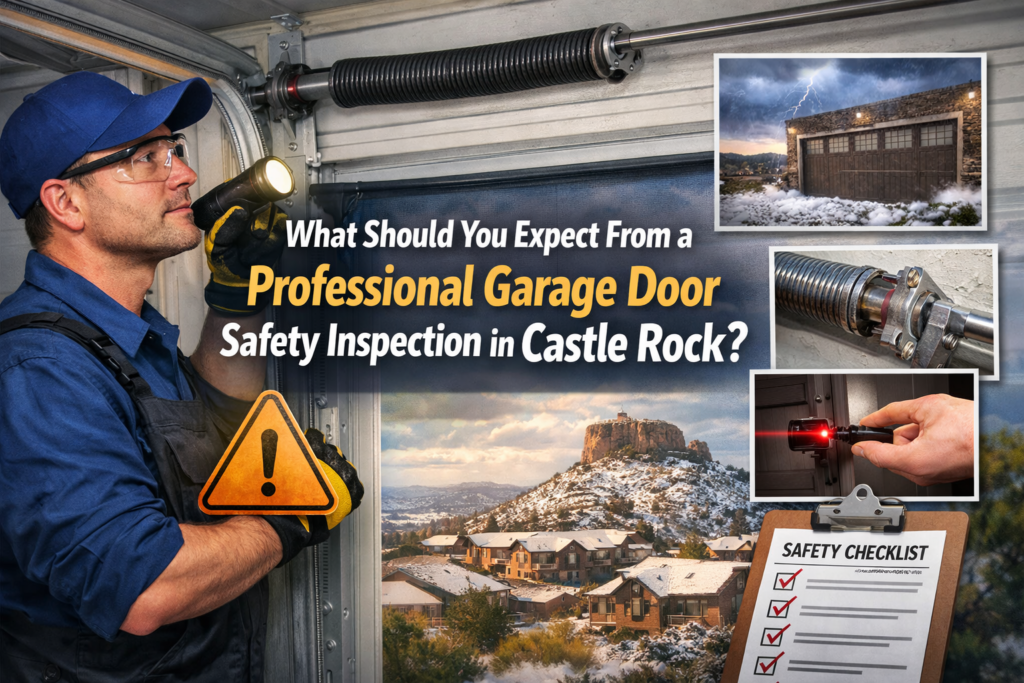
Garage doors represent the largest moving object in most homes. When something weighing 300-400 pounds operates under high spring tension multiple times daily, regular safety checks matter. Castle Rock’s climate adds stress—temperature swings, hail damage, and UV exposure accelerate wear on components. Professional inspections catch problems before they cause injuries or leave you with a door stuck open during a winter storm. Comprehensive garage door services in Castle Rock by Select Garage Doors include thorough safety inspections that identify issues while they remain manageable.
When Professional Inspection Makes Sense
Annual Maintenance: Manufacturers recommend yearly professional inspections. Castle Rock’s weather—temperature extremes, hail, intense UV—justifies this schedule. Frequently-used doors or those exposed to severe weather may benefit from twice-yearly checks.
Home Sales: Many buyers request garage door inspections during purchase. Identifying issues beforehand prevents negotiation surprises.
After Severe Weather: Hail storms and high winds can damage doors without obvious signs. Post-storm inspections catch hidden problems.
When Something Seems Off: Unusual noises, slow operation, or visible damage warrant immediate professional assessment.
Safety Feature Testing
Auto-Reverse Mechanism: Inspectors place a solid object in the door’s path. The door should reverse immediately upon contact. This feature, required since 1993, prevents injuries—particularly to children and pets.
Photoelectric Sensors: These create an invisible beam across the opening. Breaking this beam should stop and reverse a closing door instantly. Inspectors verify proper alignment and function.
Emergency Release: Testing ensures the manual release works properly. During power outages or system failures, this allows manual operation—particularly relevant during winter storms when vehicle access matters.
High-Risk Component Inspection
Springs and Cables: Springs store enormous tension—enough to cause serious injury if they break. Inspectors check for rust, corrosion, gaps in coils indicating stretching, proper tension and balance, cable fraying, and secure mounting hardware.
Castle Rock’s temperature fluctuations stress springs significantly. Cold contracts metal; heat expands it. This cycling accelerates wear beyond typical usage patterns.
Mechanical Components: Worn rollers showing cracks or chips get flagged for replacement. Tracks are checked for alignment and damage. Hinges receive inspection for wear and secure mounting. These components affect both safety and function.
Hardware: Vibration from daily use loosens bolts and screws. Inspectors tighten hardware and identify pieces needing replacement. This simple maintenance prevents larger problems.
Balance and Opener Function
Door Balance: Properly balanced doors stay in place when stopped halfway. Imbalanced doors strain openers and create hazards. Inspectors disconnect the opener and manually test balance.
Opener Settings: Force settings determine how hard the opener pulls before stopping. Incorrect settings prevent proper auto-reverse function or cause unnecessary strain. Inspectors adjust these to manufacturer specifications.
Drive Mechanism: Chain, belt, or screw drives receive inspection for wear, proper tension, and lubrication. Electrical connections get checked for damage and secure mounting.
Weather Protection
Seals and Weatherstripping: Bottom seals prevent water, snow, and pests from entering. Inspectors check for cracks and deterioration—particularly relevant given Castle Rock’s temperature extremes and occasional heavy snow.
Weatherstripping around the door perimeter gets checked for gaps and compression. Failed weatherstripping increases energy costs and allows moisture entry.
Structural Assessment
Door Panels: Examined for dents, cracks, rust, or rot (in wood doors). Castle Rock’s hail storms make this particularly relevant.
Finish Condition: Paint and finish matter in Colorado’s intense UV exposure. Failed finishes allow moisture penetration and accelerate deterioration.
Windows: If present, inspectors check seals, cracks, and condensation between panes.
What You Receive
Written Documentation: Professional inspections provide written reports including component condition assessment, safety test results, identified problems with severity ratings, and recommended repairs with priority levels.
Cost Estimates: Reputable inspectors provide clear pricing for recommended repairs, separating urgent safety issues from routine maintenance.
Timeline Guidance: Good inspectors explain what requires immediate repair, what to address within months, and what to monitor.
Inspection Costs
Professional inspections typically cost $75-$150 in the Castle Rock area. Many companies waive fees if you proceed with recommended repairs. Be cautious of free inspections from companies that consistently find expensive problems—some use inspections as sales tools rather than genuine assessments.
Self-Checks Between Inspections
Monthly Visual Checks: Watch for loose hardware, frayed cables, worn rollers, and unusual noises. Test auto-reverse by placing a solid object in the door’s path. Verify photoelectric sensors work by breaking the beam while closing.
Listen for Changes: New grinding, squealing, or banging sounds indicate developing problems worth investigating before scheduled inspection.
The Castle Rock Context
Castle Rock’s climate stresses garage doors beyond typical wear patterns. Professional inspections catch problems early, when repairs cost less and safety risks remain minimal. Waiting for catastrophic failure costs more in repairs and carries genuine injury risk—particularly given that garage doors cause over 30,000 injuries annually nationwide.
The combination of daily use, high tension components, and Castle Rock’s demanding weather makes professional inspection a practical safety measure rather than an optional expense.
Select Garage Doors
303-381-0005
2274 Manatt Ct, Castle Rock, CO 80104