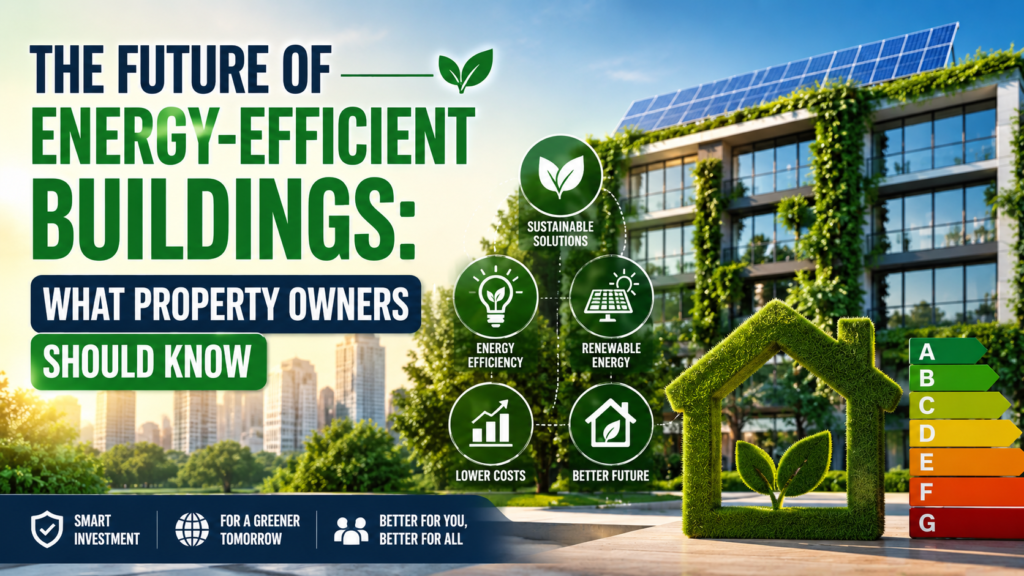
Energy efficiency has become one of the defining priorities in modern building design and property management. Rising utility costs, evolving environmental standards, and increasing demand for sustainable spaces are encouraging homeowners and commercial property owners to rethink how buildings are designed, operated, and maintained.
Today’s energy-efficient buildings go beyond lowering electricity bills. They create healthier indoor environments, improve occupant comfort, reduce maintenance costs, and increase long-term property value. As technology continues to advance, building owners have more opportunities than ever to improve performance without sacrificing convenience or functionality.
Understanding the trends shaping energy-efficient buildings can help property owners make informed decisions that benefit both their finances and the environment. This guide explores the key features, technologies, and maintenance practices that define the future of energy-efficient buildings.
What Is an Energy-Efficient Building?
An energy-efficient building is designed and operated to use less energy while maintaining comfortable, healthy indoor conditions. Instead of relying solely on larger heating and cooling systems, these buildings reduce energy demand through thoughtful design, efficient equipment, and ongoing maintenance.
Key characteristics include:
- High-performance insulation
- Energy-efficient HVAC systems
- Advanced ventilation
- Smart lighting
- Efficient windows and doors
- Building automation
- Renewable energy integration
- Water-saving technologies
Each component contributes to lowering energy consumption while improving overall building performance.
Why Energy Efficiency Matters
Energy-efficient buildings provide benefits that extend well beyond lower monthly utility bills.
Some of the most significant advantages include:
- Reduced operating expenses
- Improved indoor comfort
- Better indoor air quality
- Lower greenhouse gas emissions
- Longer equipment lifespan
- Increased property value
- Enhanced occupant satisfaction
For businesses, energy efficiency can also improve operational reliability and support corporate sustainability goals.
Better Building Envelopes Reduce Energy Loss
The building envelope—including walls, roofs, windows, doors, and insulation—plays a critical role in controlling heat transfer.
Poorly insulated buildings lose conditioned air more easily, forcing heating and cooling equipment to work harder.
Modern building envelopes often include:
- Continuous insulation
- Air barriers
- Reflective roofing materials
- Low-emissivity (Low-E) windows
- Weather-resistant construction materials
Improving the building envelope reduces heating and cooling demand throughout the year.
Smart HVAC Systems Are Transforming Buildings
Heating and cooling systems remain among the largest energy consumers in most buildings. Advances in HVAC technology are making it easier to maintain comfortable indoor temperatures while reducing energy use.
Modern systems commonly feature:
- Variable-speed compressors
- Smart thermostats
- Zoned temperature control
- Energy recovery ventilation
- High-efficiency filtration
- Remote monitoring capabilities
These technologies automatically adjust system performance based on occupancy, weather conditions, and indoor temperatures.
Routine maintenance remains essential to preserving efficiency. Property owners seeking dependable hvac sugar land professionals often schedule seasonal inspections to ensure heating and cooling systems continue operating at peak performance while minimizing energy waste.
Building Automation Is Changing Property Management
Automation technology allows buildings to monitor and adjust energy use in real time.
Building management systems can control:
- Heating and cooling
- Lighting
- Ventilation
- Humidity
- Occupancy schedules
- Equipment performance
By responding automatically to changing conditions, these systems reduce unnecessary energy consumption while maintaining occupant comfort.
Many commercial buildings now rely on predictive analytics to identify equipment problems before they result in expensive repairs.
Indoor Air Quality Is Part of Energy Efficiency
Energy-efficient buildings are designed to conserve energy without sacrificing indoor air quality.
Modern ventilation strategies help remove pollutants while minimizing energy loss.
Proper indoor air quality supports:
- Respiratory health
- Workplace productivity
- Learning performance
- Better sleep
- Overall occupant well-being
High-efficiency filtration systems and balanced ventilation allow buildings to remain both energy efficient and healthy.
Renewable Energy Is Becoming More Accessible
Renewable energy technologies are increasingly integrated into residential and commercial buildings.
Common examples include:
- Solar photovoltaic systems
- Solar water heating
- Battery storage
- Geothermal heating and cooling
- Wind energy (where practical)
While not every building requires renewable energy, these technologies can significantly reduce long-term operating costs when combined with efficient building systems.
Efficient Lighting Makes a Difference
Lighting improvements remain one of the easiest ways to reduce electricity consumption.
Energy-efficient lighting solutions include:
- LED fixtures
- Occupancy sensors
- Daylight harvesting systems
- Smart lighting controls
- Automated scheduling
These upgrades lower energy use while extending equipment lifespan and reducing maintenance requirements.
Water Efficiency Supports Sustainability
Water conservation also contributes to overall building efficiency.
Popular strategies include:
- Low-flow plumbing fixtures
- Rainwater harvesting
- Smart irrigation systems
- Leak detection technology
- Water-efficient landscaping
Reducing water consumption often lowers both utility expenses and environmental impact.
Preventive Maintenance Protects Building Performance
Even the most efficient building systems require ongoing maintenance.
Preventive maintenance helps:
- Maintain HVAC efficiency
- Improve equipment reliability
- Extend system lifespan
- Reduce emergency repairs
- Lower energy consumption
Maintenance programs often include:
- Air filter replacement
- Coil cleaning
- Refrigerant inspections
- Thermostat calibration
- Electrical testing
- Duct inspections
- Ventilation assessments
Routine maintenance helps preserve energy savings over the long term.
Commercial Buildings Face Greater Efficiency Challenges
Commercial facilities typically consume more energy than residential properties due to:
- Larger floor areas
- Higher occupancy
- Longer operating hours
- Greater equipment loads
Examples include:
- Office buildings
- Schools
- Hospitals
- Hotels
- Retail centers
- Warehouses
- Manufacturing facilities
Improving efficiency in these environments often produces substantial financial savings.
Property managers searching for experienced hvac the woodlands providers frequently prioritize preventive maintenance and system optimization to keep commercial HVAC equipment operating reliably during periods of heavy demand.
Emerging Technologies Shaping the Future
Several innovations are expected to influence the next generation of energy-efficient buildings.
These include:
Artificial Intelligence
AI systems analyze building performance and optimize equipment operation automatically.
Internet of Things (IoT)
Connected sensors provide real-time monitoring of temperature, humidity, occupancy, and energy use.
Predictive Maintenance
Advanced analytics identify equipment issues before failures occur.
High-Performance Building Materials
New insulation technologies and advanced glazing systems continue improving energy performance.
Net-Zero Buildings
Buildings designed to produce as much energy as they consume are becoming increasingly common.
Practical Steps Property Owners Can Take
Whether managing a home or commercial facility, property owners can improve energy efficiency through several practical measures:
- Replace aging HVAC equipment when appropriate.
- Schedule regular HVAC maintenance.
- Upgrade insulation.
- Install smart thermostats.
- Replace outdated lighting with LED fixtures.
- Seal air leaks around windows and doors.
- Improve ventilation.
- Monitor monthly energy consumption.
- Invest in energy-efficient appliances and equipment.
Small improvements often produce meaningful long-term savings.
The Long-Term Benefits of Energy-Efficient Buildings
Energy-efficient buildings provide lasting value for both owners and occupants.
Benefits include:
- Lower utility costs
- Greater indoor comfort
- Improved indoor air quality
- Reduced environmental impact
- Higher property values
- Increased equipment lifespan
- Better resilience during extreme weather
As energy prices and sustainability expectations continue to evolve, efficient buildings are likely to remain a valuable investment.
Frequently Asked Questions
What makes a building energy efficient?
Energy-efficient buildings combine efficient HVAC systems, quality insulation, high-performance windows, smart controls, proper ventilation, and routine maintenance to minimize energy use while maintaining occupant comfort.
Why is HVAC maintenance important?
Regular HVAC maintenance helps systems operate efficiently, reduces energy consumption, extends equipment lifespan, and lowers the likelihood of costly repairs.
How does building automation save energy?
Automation systems monitor occupancy, temperature, humidity, and equipment performance to adjust building operations in real time, reducing unnecessary energy use.
Can older buildings become energy efficient?
Yes. Many existing buildings can improve efficiency through insulation upgrades, HVAC modernization, lighting improvements, smart controls, and preventive maintenance.
Are energy-efficient buildings more expensive?
Although some upgrades require an initial investment, lower operating costs, reduced maintenance, and improved property value often provide long-term financial benefits.
Conclusion
The future of energy-efficient buildings is being shaped by smarter technologies, better building materials, and a stronger focus on sustainability and occupant well-being. From advanced HVAC systems and intelligent automation to improved insulation and renewable energy integration, modern buildings are becoming more efficient, resilient, and comfortable.
For property owners, investing in energy efficiency is about more than reducing utility bills. It is a long-term strategy that supports healthier indoor environments, protects building assets, and prepares properties for evolving energy standards and climate challenges. By combining thoughtful upgrades with regular maintenance, both residential and commercial buildings can achieve lasting performance and value well into the future.