 By Admin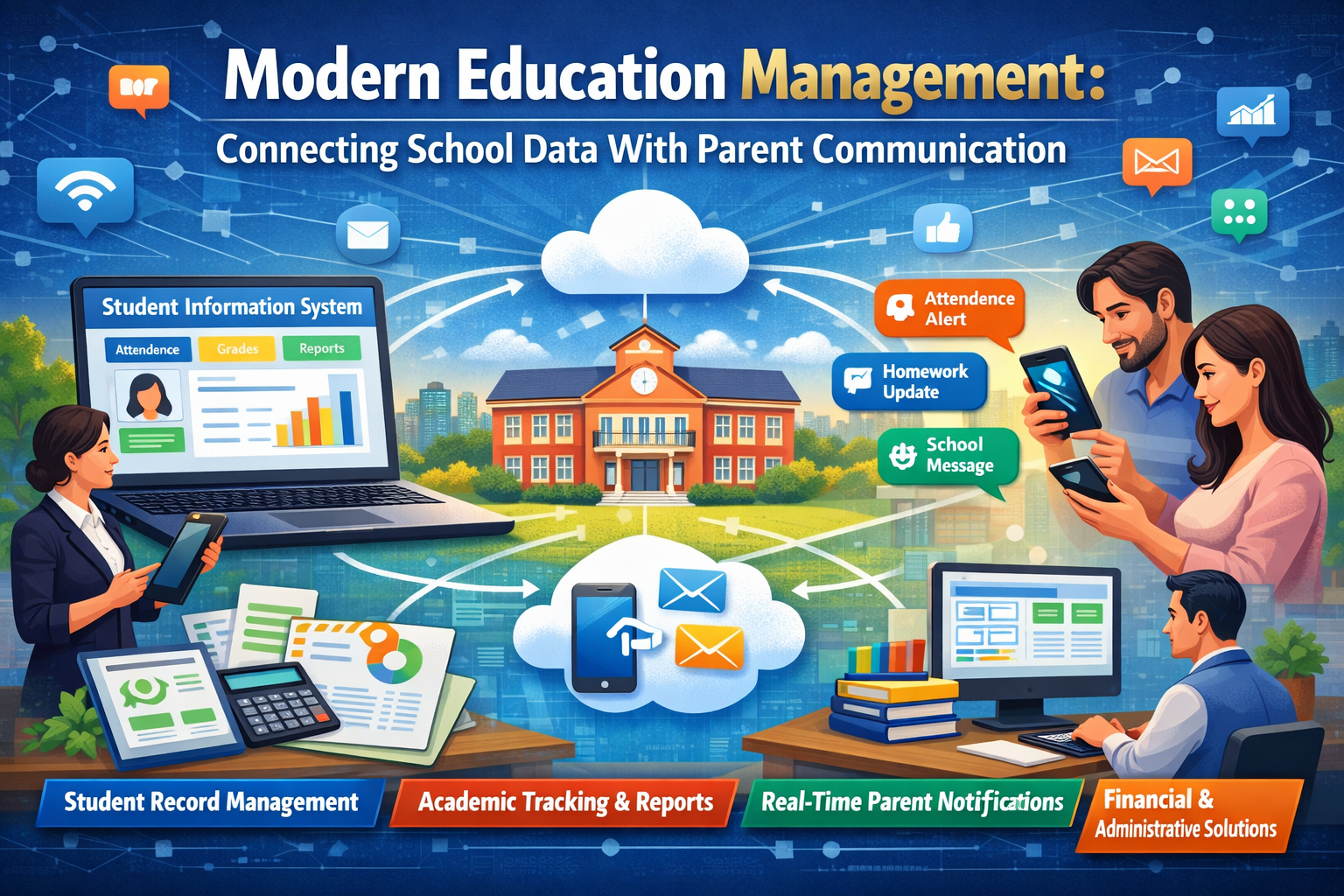
Schools manage large amounts of student information every day. Attendance records, grades, and communication logs must stay organized. A student information system helps schools manage student data in one place and improve daily operations.
In the past, schools relied on paper records and spreadsheets. These methods required time and effort. Administrators often struggled to locate information quickly.
Digital platforms have simplified school operations. They allow schools to manage records efficiently and communicate with families faster. This shift has improved transparency and collaboration in education.
Why Managing School Data Is Important
Student data is the backbone of school administration. Schools use it to monitor attendance, track academic progress, and manage student records.
When data stays organized, schools make better decisions.
Proper data management helps schools:
- Maintain accurate student records
- Monitor academic performance
- Track attendance trends
- Generate reports quickly
- Improve administrative efficiency
Teachers also benefit from organized records. They can review student progress before planning lessons.
Administrators can quickly identify learning gaps or attendance issues. Early action helps students perform better.
Strong data management also supports school planning and policy decisions.
Digital Platforms Improve School Administration
Manual systems create delays and confusion. Paper files may become difficult to manage in large schools.
Digital systems store records in centralized databases.
Benefits of digital school systems include:
- Secure student data storage
- Easy access to records
- Reduced paperwork
- Faster updates and corrections
Teachers and administrators update information instantly. Records remain accurate and accessible.
Digital storage also removes the need for physical record rooms. Schools save both time and space.
This improves administrative productivity.
Financial Systems Support Better School Management
Financial management is another critical part of school administration. Schools manage fee payments, expenses, and budgets throughout the year.
Without proper systems, finance teams spend hours maintaining records.
Many schools now rely on school finance management software to simplify these processes.
Financial platforms help schools:
- Track fee payments automatically
- Generate digital invoices
- Maintain payment records
- Monitor school expenses
- Prepare financial reports quickly
These tools reduce manual work.
Parents also benefit from clear fee records. Administrators can send reminders and payment confirmations instantly.
This transparency builds trust between schools and families.
Centralized Data Helps Schools Make Better Decisions
Schools collect large amounts of academic and administrative data.
Centralized systems help analyze this information effectively.
Administrators can review:
- Attendance trends across classes
- Student academic progress
- Participation in school activities
- Financial performance reports
Data analysis helps schools identify patterns.
For example, declining attendance may indicate a problem with student engagement.
Administrators can respond quickly.
Teachers may adjust teaching methods or provide extra support.
This data-driven approach improves both academic performance and school management.
Mobile Technology Improves Parent Communication
Parents play a key role in student success. When families stay informed, students receive better support at home.
Digital platforms help schools share updates quickly.
Parents can receive notifications about:
- Attendance updates
- Homework assignments
- Exam schedules
- School announcements
Mobile access makes communication easier.
Parents can check updates anytime using smartphones.
This convenience improves parent involvement in education.
When parents stay informed, they can guide their children more effectively.
Real Time Communication Strengthens Collaboration
Communication between parents and teachers becomes stronger with digital tools.
Schools can send instant updates through online platforms.
Examples of real-time communication include:
- Attendance alerts
- Homework reminders
- Exam announcements
- School event notifications
These alerts help parents stay connected to school activities.
When communication improves, parents and teachers collaborate more effectively.
This partnership supports student learning.
Students often perform better when families and schools work together.
Automation Reduces Administrative Work
School administrators handle many repetitive tasks. Managing records, preparing reports, and tracking attendance require time.
Digital systems automate these processes.
Examples of automated tasks include:
- Attendance tracking
- Report generation
- Parent notifications
- Record updates
Automation reduces human error.
It also saves time for school staff.
Teachers and administrators can focus more on student development instead of paperwork.
Automation also improves consistency in school operations.
Preparing Schools for the Future of Education Technology
Technology will continue shaping education management.
Schools now adopt advanced systems that integrate academic and administrative tools.
Future education platforms may include:
- Artificial intelligence for performance analysis
- Smart dashboards for administrators
- Integrated communication platforms
- Predictive analytics for student performance
These technologies will help schools manage resources more effectively.
They will also improve collaboration between educators and families.
Digital innovation will continue transforming education management.
Conclusion
Effective school management depends on organized data and strong communication. Schools must manage student records, financial information, and parent communication efficiently.
Digital systems now provide powerful solutions for modern education management.
Schools that adopt technology improve transparency and operational efficiency.
Reliable tools such as School finance software help schools manage payments, budgets, and financial reporting effectively.
When combined with strong data systems, these platforms create a connected education environment where administrators, teachers, and families work together to support student success.