 By Admin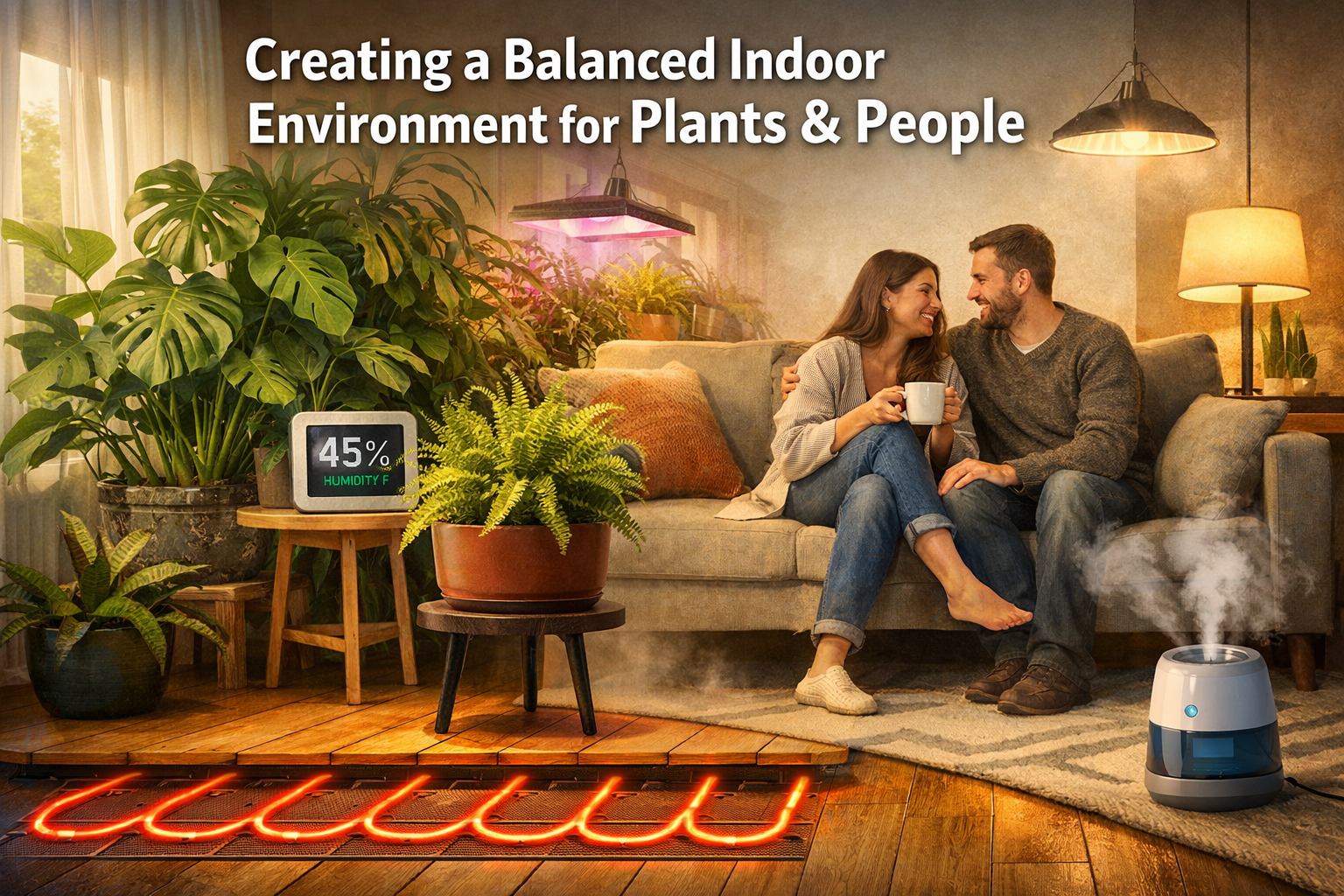
Understanding the Interplay Between Indoor Climate and Plant Health
Creating a symbiotic indoor environment where both plants and people thrive requires understanding how changes in climate control systems affect plant health. This is especially true in homes with modern heating solutions. When considering the effects of heated floors on plants, factors like uneven heat distribution and root health become significant. Visit this effects of heated floors on plants article for a detailed exploration.
Plants are sensitive to changes in temperature, humidity, and light, all pivotal for their growth. Indoor climates optimized for human comfort can sometimes present challenges for plant health, as a warm, dry atmosphere can lead to stress for many plant species. Balancing these factors is crucial to providing an ideal setting for both.
Moreover, awareness of each plant’s specific needs is essential when adjusting indoor climate settings. While people often prefer consistent temperatures, many plants enjoy cooler nights to mimic natural conditions. Understanding these nuanced differences can guide the integration of plants into our living spaces for mutual benefit.
Optimizing Temperature and Humidity for Indoor Plants
Maintaining an appropriate temperature range is vital for plant health. Most houseplants thrive between 60 and 75 degrees Fahrenheit. Variations beyond these limits can stress plants, affecting their growth and vitality. Sudden temperature changes, such as those from heated floors, might necessitate adjustments to positioning or additional care.
Humidity is another critical factor. Many houseplants originate from tropical climates and require higher humidity levels than typical indoor conditions provide. When heating systems lower moisture in the air, it becomes necessary to supplement with humidifiers or group plants to maintain adequate levels, thereby ensuring their robust growth.
Adapting your home’s conditions to suit both plants and people may involve regular monitoring of environmental factors. Tools like hygrometers and thermostats can help track changes, allowing homeowners to take timely actions that benefit plant health, ensuring both flora and occupants are comfortable.
Utilizing Light to Enhance Indoor Plant Growth
Light is a primary driver of photosynthesis, making it crucial for plant survival. Indoor environments need to provide adequate natural or artificial light to sustain plant growth. South-facing windows are ideal for most plants, but supplementary grow lights can also be a solution for spaces lacking natural illumination.
Incorporating plants within an indoor environment involves understanding the light requirements of each species. Some plants, like succulents, love direct sunlight, while others, like ferns, thrive in shaded areas. Aligning their placement based on light preference ensures that each plant receives the appropriate amount of light for photosynthesis.
Additionally, the duration of light exposure influences plant growth. Most houseplants require around 12 to 16 hours of light each day. Achieving a balance between natural daylight and artificial lighting can help sustain plant health throughout the year, bolstering their vitality even in less-than-ideal seasons.
Choosing the Right Plant Species for Your Indoor Environment
Selecting plant species that align with your indoor environment is critical to creating a balanced space. Beginners might opt for low-maintenance plants like pothos or snake plants, which are resilient to fluctuating indoor conditions and require minimal attention.
Conversely, enthusiasts might explore more demanding species like orchids or carnivorous plants, which need specific environmental conditions to flourish. By understanding each species’ requirements, homeowners can ensure they choose plants capable of thriving under available indoor conditions.
Considering the environmental factors, such as light, temperature, and humidity, helps in selecting the right plants. It also reduces the frequency of plant stress and failure, ultimately enhancing the visual and ecological balance within the home.
Adapting Heating Solutions for Plant-Friendly Environments
Heated floors present an efficient home heating solution but can pose challenges for indoor plants. The placement of plants directly on heated floors can lead to root damage due to consistent warmth. Elevating plants or using insulation mats could cushion the effects, safeguarding the plant’s delicate root systems.
Modifying heating patterns to accommodate plant health is another strategy homeowners can employ. Ensuring that heat distribution is even and not directly beneath plant containers can mitigate adverse impacts. Consistent monitoring and adjustments to the indoor climate systems extend the longevity and health of houseplants.
Implementing technical enhancements like smart thermostats can also aid in maintaining environments ideal for plants. These systems allow for precise control over temperature and humidity levels, ensuring that both plants and people experience optimal comfort.
Utilizing Natural Elements to Enhance Indoor Aesthetics
Integrating plants into interior design isn’t solely about their utility; it’s also about aesthetics. Plants add a touch of nature that can dramatically change an indoor space’s ambiance. Selecting diverse plant species of varying heights and colors creates a layered effect, adding depth and vibrancy to any room.
Natural elements such as wood, stone, and water features complement the presence of plants, creating a harmonious blend of textures and colors. This synergy not only enhances visual appeal but also contributes to a calming and restorative indoor atmosphere.
Furthermore, strategically placing plants can improve air quality and provide a sense of tranquility. Designing with an ecological intent, ensuring each element complements others, results in a visually stunning and health-promoting indoor environment.
Balancing Human Comfort with Plant Vitality
Achieving a balance between human comfort and plant vitality requires continuous adjustments and considerations. It involves an ongoing relationship where each change in the indoor environment is assessed for its impact on plant health and human comfort alike.
Temperature, light, and humidity must be continually monitored and adjusted to accommodate seasonal changes. Such vigilance ensures that both the human and plant inhabitants of a space remain healthy and thriving year-round. Technological aids like smart devices can play a crucial role in maintaining this balance efficiently.
Ultimately, the effort to create a balanced indoor space pays off in the form of a more pleasant, inviting home. Plants offer numerous benefits, from psychological well-being to improved air quality, making them a valuable addition to indoor living.
Frequently Asked Questions
How do heated floors affect plant growth?
Heated floors can alter root zone temperatures, sometimes stressing plants if they become too warm. It’s vital to monitor soil temperature and adjust plant placement to prevent potential root damage.
What types of plants are best suited for indoor environments?
Low-maintenance plants like snake plants, pothos, and ZZ plants are excellent choices for indoor environments. They thrive in various conditions and require minimal care, making them suitable for beginners.
How can I increase humidity for my indoor plants?
Using a humidifier or placing a water tray with pebbles near plants can effectively raise humidity levels. Grouping plants together also creates a micro-environment that retains moisture.
What is the ideal light exposure for houseplants?
Most houseplants thrive with 12 to 16 hours of light per day. South-facing windows offer the best natural light, but supplementary grow lights can compensate for areas with insufficient natural sunlight.
Can technology help in maintaining indoor plant health?
Yes, technology like smart thermostats and hygrometers can greatly aid in maintaining the optimal conditions for indoor plant health. These tools provide precise control over environmental factors, ensuring plant and human comfort.
Conclusion
Creating a balanced indoor environment that supports both plants and people is a multidimensional task requiring careful consideration of various climatic factors. By understanding the effects of heating solutions, light availability, and species selection, homeowners can create harmonious spaces that nurture well-being.
The integration of technology and natural elements plays a crucial role in maintaining balance. Thoughtful adjustments and monitoring ensure that plants continue to thrive, enhancing indoor aesthetics and improving quality of life for all inhabitants.