
 By Osman Blake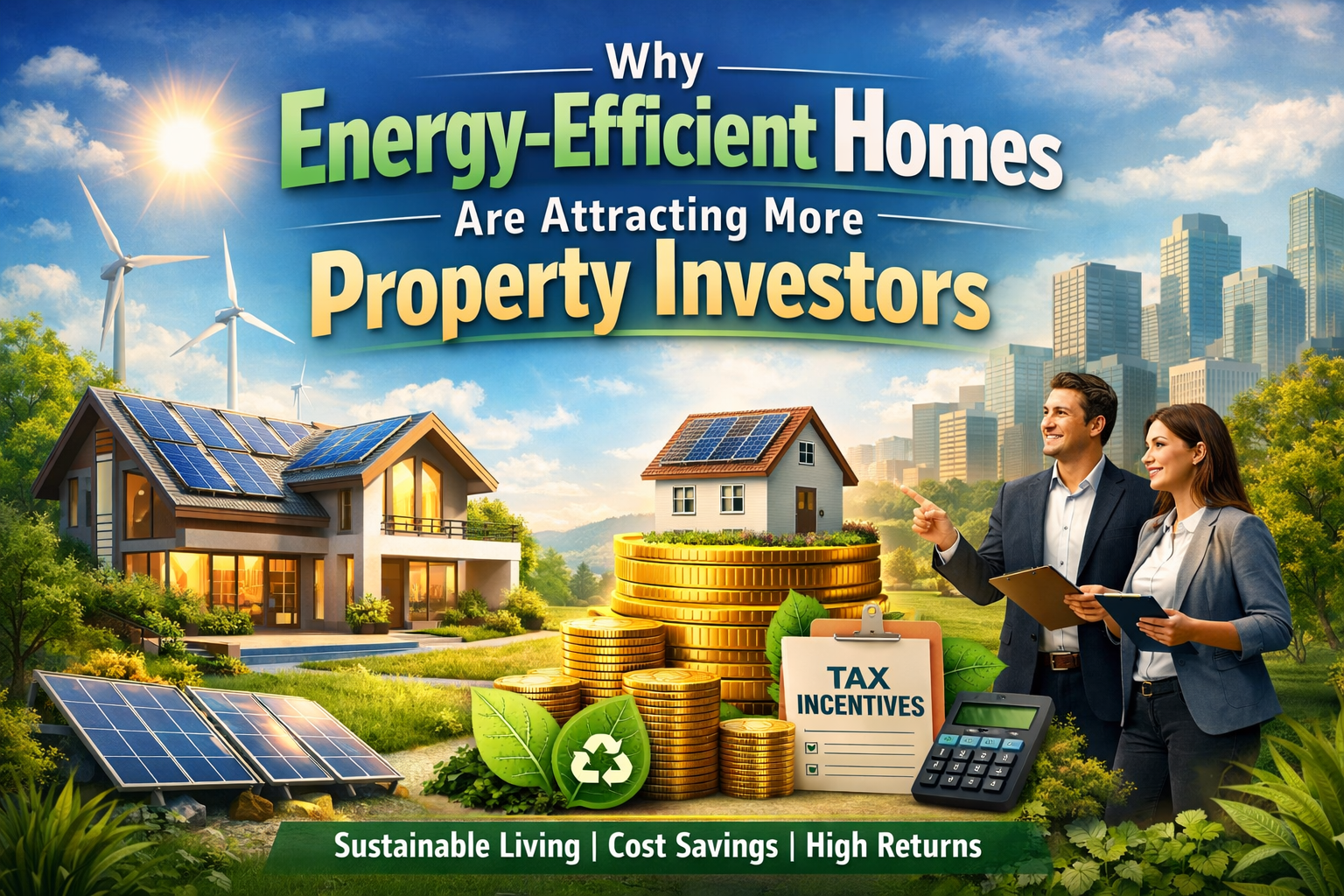
The Growing Demand for Sustainable Living
With climate change being a pressing issue, the demand for sustainable living has grown significantly. Property investors are increasingly drawn to energy-efficient homes as they align with eco-friendly initiatives. These homes not only reduce carbon footprints but also offer long-term cost savings.
Energy efficiency in residential properties often translates to reduced utility bills. This is mainly due to innovations like solar panels and advanced insulation, making homes more appealing to eco-conscious buyers. As a result, investing in such properties promises both environmental and economic benefits.
Moreover, the rise in energy-efficient homes aligns with emerging architectural trends. Innovations such as heated flooring and modern home design play a vital role in enhancing both functionality and aesthetic appeal, making these properties even more attractive.
Financial Benefits for Investors
Investing in energy-efficient homes comes with significant financial advantages. These properties typically have higher resale values, thus providing investors with better returns on their investment. Additionally, they are often eligible for various tax incentives and rebates.
Energy-efficient homes also enjoy reduced operational costs. The advanced technologies and materials used in these homes lead to lower energy consumption, which means significant savings on electricity and heating bills. For investors, this translates to higher rental yields and happier tenants.
Furthermore, the reliable performance of energy-efficient homes reduces maintenance costs. Sustainable materials and innovative systems tend to last longer, resulting in fewer repairs and replacements. This aspect is crucial for investors looking to maximize their profits while minimizing expenses.
The Role of Government Incentives
Government policies play a pivotal role in promoting energy-efficient homes. Many countries offer grants and subsidies to encourage sustainable practices, making these homes more accessible and attractive to investors. These incentives aim to offset the initial costs associated with sustainable upgrades.
Moreover, certain tax deductions are available for energy-efficient renovations and installations. These financial benefits make investing in energy-efficient properties even more appealing. As eco-friendly policies continue to evolve, investors are likely to find even more opportunities for financial support.
The presence of government incentives also signals a growing commitment to sustainability. Property investors perceive this as a favorable climate for eco-friendly investments, enhancing the desirability of energy-efficient homes as a long-term financial strategy.
Technological Advancements in Home Design
Technological innovations play a crucial role in the development of energy-efficient homes. From smart home systems to energy-efficient appliances, these advancements are transforming the way homes are designed and operated. Investors see this as an opportunity to capitalize on cutting-edge technologies.
Smart home technology allows for precise control over energy usage. For example, programmable thermostats and smart lighting systems help reduce consumption and optimize costs. These features are not only attractive to eco-conscious buyers but also enhance the marketability of the property.
On top of that, innovations such as advanced insulation techniques and high-performance windows are essential in achieving energy efficiency. These technologies contribute to a comfortable living environment, further increasing the property’s value and investment appeal.
Changing Consumer Preferences
Today’s homebuyers are more informed and prioritize sustainability more than ever. This shift in consumer preferences has significant implications for property investors. Energy efficiency is now a key factor in the decision-making process for many buyers.
Younger generations, in particular, are driving this change. Millennials and Gen Z are inclined to choose homes that reflect their values of sustainability and environmental responsibility. As this demographic continues to grow, the demand for energy-efficient homes is expected to rise.
Property investors recognize that aligning with consumer preferences is crucial for success. By investing in energy-efficient homes, they not only cater to current market demands but also future-proof their investments as sustainability becomes more integrated into everyday life.
Improved Health and Comfort
Energy-efficient homes offer numerous advantages that go beyond financial gains. They contribute to better indoor air quality and overall health. By reducing pollutants and maintaining optimal temperature and humidity levels, these homes create a healthier living environment.
High-quality insulation and modern ventilation systems minimize drafts and temperature fluctuations, ensuring comfort year-round. This improved living experience is a significant selling point for potential buyers and tenants, making these properties more attractive.
For property investors, these health benefits add another layer of value to energy-efficient homes. Not only do they address environmental concerns, but they also enhance the well-being of occupants, thereby increasing demand and reducing vacancy rates.
The Future of Property Investment
As the focus on sustainability continues to grow, the real estate market will inevitably shift towards energy-efficient properties. Investors aware of this trend are positioning themselves to take advantage of the evolving market landscape. Energy efficiency is no longer a niche market but a dominant force in property investment.
Future regulations are likely to impose stricter efficiency standards, making current energy-efficient homes more valuable. Early adopters in the investment community stand to gain significantly by recognizing and acting on this opportunity sooner rather than later.
The transition towards energy-efficient homes is more than just a trend; it’s becoming the standard. Property investors committed to sustainability will not only reap financial rewards but also contribute to a more sustainable future, aligning financial success with social responsibility.
Frequently Asked Questions
What are the main features of energy-efficient homes?
Energy-efficient homes typically include advanced insulation, energy-efficient appliances, and renewable energy sources like solar panels. Smart home technology and sustainable building materials also play a significant role in reducing energy consumption.
Why is there a shift towards energy-efficient housing?
The shift is due to a combination of environmental concerns, financial benefits, and government incentives. Consumers are increasingly prioritizing sustainability, and investors are noticing the financial advantages of investing in energy-efficient properties.
How do government incentives support energy-efficient homes?
Government incentives provide financial support through grants, tax deductions, and rebates for sustainable upgrades. These incentives reduce the initial cost burden and make energy-efficient homes more accessible and appealing to investors.
Are energy-efficient homes more expensive to build?
While the initial cost may be higher, energy-efficient homes offer significant long-term savings through reduced utility bills and maintenance costs. The financial benefits and incentives often outweigh the initial investment.
What is the impact of energy-efficient homes on property value?
Energy-efficient homes generally have higher property values due to their reduced operational costs, sustainable features, and growing consumer demand. Investors may achieve higher resale values and rental yields.
Conclusion
The trend towards energy-efficient homes is reshaping the property investment landscape. Investors who recognize the value of sustainability are well-positioned to benefit from this shift. Energy-efficient properties not only offer financial advantages but also align with a growing commitment to environmental responsibility.
As energy-efficient homes become more mainstream, staying informed about technological advancements and government policies will be crucial for property investors. By embracing sustainable solutions, investors can secure a profitable future while contributing to a healthier planet.