
 By Osman Blake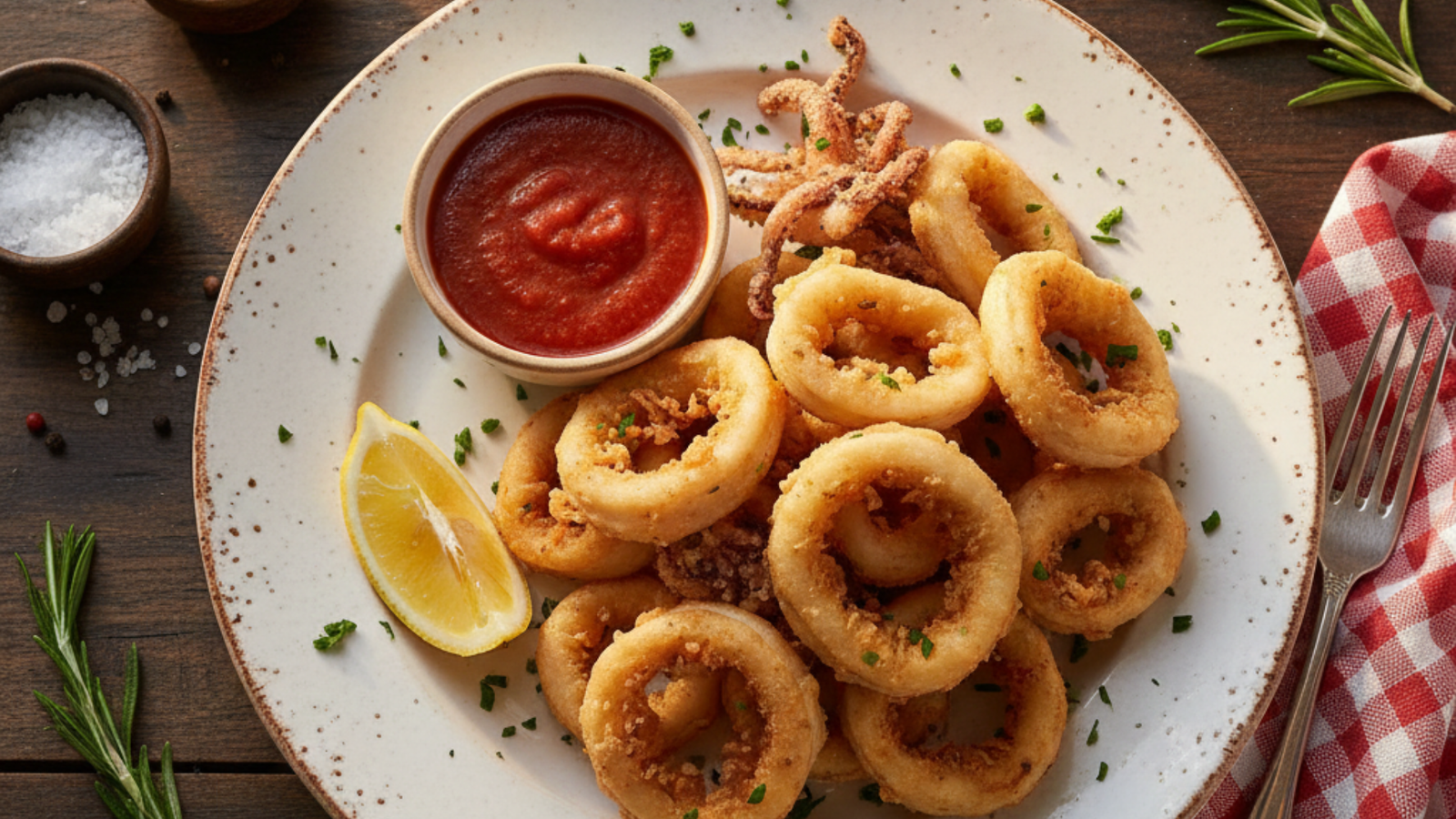
Let’s be honest. When you first hear the word calamariere, your mind probably goes straight to food. Seafood, specifically. Something Mediterranean. Something lightly fried and served with lemon on the side.
And honestly? That makes sense.
While the word isn’t traditional in culinary dictionaries, it feels like food. It sounds like a refined dish. Something you’d order at a seaside restaurant where the breeze smells like salt and olive oil.
So let’s treat calamariere as what it naturally seems to be — a modern, elevated take on calamari. Not just fried squid… but an experience.
What Is Calamariere in Culinary Terms?
Think of calamariere as:
-
A refined style of preparing calamari
-
A gourmet seafood concept
-
A modern Mediterranean-inspired dish
-
Or even a signature seafood presentation
Regular calamari is delicious. But calamariere? It’s about intention. It’s about balance. It’s about taking something simple and giving it care.
Not heavy. Not greasy. Not overloaded with sauce.
Just clean flavors. Fresh ingredients. Thoughtful plating.
The Difference Between Calamari and Calamariere
Here’s a simple comparison to understand the idea better:
| Regular Calamari | Calamariere Style |
|---|---|
| Deep-fried with thick batter | Lightly coated or grilled |
| Served with heavy dips | Paired with olive oil, lemon zest, fresh herbs |
| Casual appetizer | Elegant plated seafood dish |
| Focus on crunch | Focus on balance of texture and flavor |
| Simple presentation | Artistic, minimal plating |
See the difference?
It’s subtle… but important.
Calamariere isn’t about changing the ingredient. It’s about elevating the experience.
Ingredients That Define Calamariere
A true calamariere-style dish would likely focus on freshness and quality. Nothing artificial. Nothing overwhelming.
Typical ingredients might include:
-
Fresh squid (never frozen if possible)
-
Extra virgin olive oil
-
Sea salt
-
Cracked black pepper
-
Lemon zest
-
Fresh parsley or basil
-
Garlic (lightly sautéed, not burnt)
-
A touch of chili flakes for warmth
Simple ingredients. But handled with care.
And that care makes all the difference.
Cooking Methods for Calamariere
There isn’t just one way to prepare it. But the method should preserve texture and flavor.
Popular cooking styles include:
1. Light Pan Sear
Quickly cooked in olive oil over medium heat. Just 1–2 minutes per side. Overcooking makes squid rubbery — and that ruins everything.
2. Grilled Mediterranean Style
Grilled over open flame with olive oil and herbs. Slight char. Smoky edge. Beautiful.
3. Light Tempura Batter
Not thick breading. Just a delicate, airy coating. Crisp but not heavy.
4. Lemon Butter Finish
Finished in a light lemon butter sauce — but minimal. Just enough to enhance.
The goal?
Tender inside. Slight texture outside. Bright flavor.
Why Calamariere Feels Premium
It’s not about luxury ingredients. Squid isn’t expensive. It’s about presentation and atmosphere.
Imagine this:
-
A white ceramic plate
-
Calamari rings arranged neatly
-
Microgreens on top
-
Thin lemon slices on the side
-
Olive oil drizzle glistening under soft light
That’s calamariere.
It’s food you slow down for.
And slowing down changes the experience.
Nutritional Value of Calamariere
When prepared lightly (not deep-fried in heavy oil), calamari can actually be a healthy seafood option.
Here’s a quick nutritional overview (per 100g grilled squid):
| Nutrient | Approximate Value |
|---|---|
| Calories | 90–100 kcal |
| Protein | 15–16g |
| Fat | 1–2g (without frying) |
| Omega-3 | Moderate amount |
| Vitamin B12 | High |
| Selenium | Good source |
So yes — when cooked the right way, calamariere can be both elegant and nutritious.
But of course… deep fry it heavily and things change.
Balance matters.
How Restaurants Could Brand Calamariere
The word itself feels upscale. That’s why it has branding potential in seafood restaurants.
A restaurant might describe it like this:
-
“Our signature Calamariere — Mediterranean style”
-
“Chef’s Calamariere Selection”
-
“Coastal Calamariere Platter”
It sounds refined. Distinct. Memorable.
And in the digital space, unique culinary terms stand out. For example, platforms like calamariere reflect how distinctive food-related concepts can gain attention online.
Sometimes it’s not just about the dish. It’s about the identity built around it.
Pairing Suggestions for Calamariere
Food isn’t complete without pairing.
Here are simple pairing ideas:
Drinks:
-
Sparkling water with lemon
-
Dry white wine (like Sauvignon Blanc)
-
Light rosé
-
Fresh mint lemonade
Side Dishes:
-
Arugula salad with olive oil
-
Roasted cherry tomatoes
-
Garlic sautéed spinach
-
Rustic sourdough bread
Keep it light. Keep it fresh.
Heavy sides defeat the purpose.
Common Mistakes to Avoid
If you want to prepare calamariere at home, avoid these mistakes:
-
Overcooking squid (biggest mistake)
-
Using too much batter
-
Adding heavy sauces
-
Skipping seasoning
-
Using low-quality oil
Squid cooks very fast. Even 30 seconds too long can ruin the texture.
And once it turns rubbery… there’s no going back.
Why People Love Refined Seafood Concepts
There’s something timeless about seafood. It connects us to coastal cultures — Italy, Greece, Spain, even parts of Asia.
But modern diners want more than just taste. They want:
-
Presentation
-
Story
-
Atmosphere
-
Experience
Calamariere fits that mindset.
It’s not just “fried squid.”
It’s curated seafood.
And that shift in language changes perception.
Can You Make Calamariere at Home?
Absolutely.
Here’s a simple home-style approach:
-
Clean and slice fresh squid.
-
Pat dry completely.
-
Lightly season with salt and pepper.
-
Heat olive oil in a pan.
-
Cook for 60–90 seconds.
-
Add garlic and lemon zest.
-
Remove immediately.
-
Garnish with parsley.
That’s it.
Simple. Fast. Elegant.
And honestly… sometimes the simplest dishes feel the most impressive.
The Emotional Side of Calamariere
Food isn’t just nutrition. It’s memory.
Calamariere feels like:
-
A summer evening by the sea
-
Soft music playing in the background
-
Sharing plates with friends
-
Warm air and slow conversations
Maybe that’s why the word feels romantic.
It’s not loud. It’s not trendy-fast-food energy.
It’s calm. Intentional. Coastal.
Final Thoughts on Calamariere
If we define calamariere as a refined, Mediterranean-inspired calamari experience, it makes perfect sense.
It’s about:
-
Quality over quantity
-
Simplicity over excess
-
Presentation over mess
-
Balance over heaviness
And that philosophy works not just in food — but in lifestyle too.
Sometimes elevating something simple is enough.
And sometimes a small shift in preparation turns ordinary seafood into something memorable.
That’s calamariere.
Not complicated.
Not flashy.
Just thoughtfully done.
And honestly… that’s what makes it special.