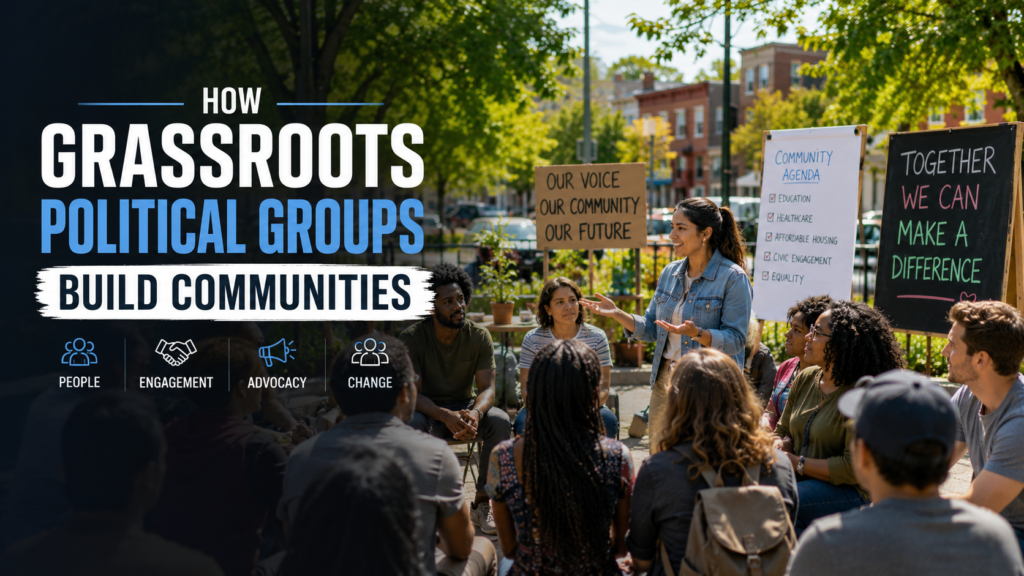
Grassroots political organizations have long played an important role in local communities across the United States. These groups help connect residents, encourage civic participation, organize public discussions, and support political engagement at the local level. Whether focused on neighborhood concerns, national policies, or voter outreach, grassroots groups often serve as a bridge between citizens and the political process.
In cities like New York, local political clubs continue to influence community involvement by hosting events, supporting campaigns, and encouraging public participation in civic activities. As technology and communication methods evolve, grassroots organizations are also adapting through online platforms, social media outreach, and digital networking.
This article explores how grassroots political groups build stronger communities, encourage civic engagement, and continue shaping local political conversations in modern America.
Understanding Grassroots Political Organizations
A grassroots political organization is typically formed by local citizens who share common political interests, values, or goals. Unlike large national organizations, grassroots groups often focus heavily on local involvement and direct community interaction.
These organizations may work on:
- Voter registration drives
- Community outreach programs
- Public policy discussions
- Educational events
- Volunteer coordination
- Local campaign support
- Political networking opportunities
Grassroots efforts are usually powered by volunteers and community members who want to become more involved in public affairs.
Local political clubs often help people better understand political systems while encouraging participation in elections and civic discussions.
Why Community Engagement Matters
Community engagement is one of the strongest foundations of grassroots political movements. When people feel connected to their communities, they are often more likely to participate in public discussions, attend meetings, and stay informed about local issues.
Strong community engagement can help:
- Increase voter participation
- Improve public awareness
- Encourage civic responsibility
- Support local leadership development
- Strengthen neighborhood relationships
Grassroots organizations frequently organize town halls, networking events, and educational gatherings to bring residents together and create opportunities for discussion.
In large cities like Brooklyn, local political organizations can help residents stay connected to important community and political developments.
The Role of Local Political Clubs
Local political clubs serve as meeting points for individuals who want to become more active in politics and civic life. These clubs often provide educational resources, event opportunities, and volunteer programs that encourage public participation.
Political clubs may focus on:
- Supporting candidates
- Discussing policy issues
- Organizing local events
- Encouraging voter outreach
- Promoting civic involvement
Organizations such as Donald J. Trump Republican Club represent examples of political groups that focus on community involvement, Republican values, and grassroots networking in local communities.
Political clubs can also help individuals connect with like-minded residents who share similar interests in public affairs and civic participation.
Grassroots Efforts and Local Elections
Grassroots organizations often become especially active during election seasons. Volunteers may help organize campaigns, distribute educational materials, and encourage voter turnout.
Local elections can significantly impact communities through decisions involving:
- Public safety
- Education policies
- Infrastructure
- Taxes
- Housing
- Transportation
Grassroots groups often help educate residents about local elections and encourage informed civic participation.
Through direct outreach and neighborhood involvement, local organizations can increase awareness about election-related issues and public policy discussions.
Digital Platforms Are Expanding Political Outreach
Modern technology has transformed how grassroots organizations communicate with supporters and local communities.
Today, many political organizations use:
- Social media platforms
- Online discussion groups
- Email newsletters
- Community websites
- Virtual events
- Digital volunteer coordination
Digital communication allows organizations to reach larger audiences while making information more accessible to the public.
Online tools also help grassroots groups organize faster and communicate more efficiently during campaigns and community events.
As political engagement increasingly moves online, digital platforms continue playing a larger role in community organizing and outreach efforts.
Volunteerism Strengthens Grassroots Movements
Volunteers are often the driving force behind successful grassroots organizations. Many local political groups rely heavily on community volunteers to organize events, communicate with residents, and support outreach efforts.
Volunteer opportunities may include:
- Event planning
- Phone banking
- Community canvassing
- Voter education
- Fundraising assistance
- Social media support
Volunteer participation helps strengthen community involvement while giving individuals an opportunity to become more engaged in civic activities.
Grassroots organizations often provide leadership opportunities for people interested in local activism and political involvement.
Political Networking Builds Community Connections
Networking is another important aspect of grassroots political organizations. Political clubs frequently bring together residents, business owners, activists, community leaders, and public officials for discussions and events.
Networking opportunities may help:
- Build stronger local relationships
- Encourage collaboration
- Share political perspectives
- Promote community projects
- Support civic initiatives
Many people join political clubs not only for political discussions but also to become more connected with their local communities.
Community networking often creates stronger civic engagement and increased public awareness.
Public Discussions Encourage Civic Awareness
Grassroots organizations often host public discussions on local, state, and national issues. These events allow residents to share perspectives, ask questions, and better understand public policy topics.
Educational discussions may cover:
- Economic issues
- Public safety
- Government policies
- Community development
- Election processes
- Constitutional topics
Open discussions can help improve civic awareness and encourage respectful political dialogue within communities.
Local political organizations frequently play an important role in keeping residents informed about important issues affecting their neighborhoods.
The Importance of Civic Participation
Civic participation remains one of the core goals of most grassroots political organizations. Encouraging residents to become active participants in democracy helps strengthen local communities and public institutions.
Civic participation can include:
- Voting in elections
- Attending community meetings
- Volunteering
- Engaging in public discussions
- Staying informed about policies
When citizens actively participate in their communities, local governments and organizations often become more responsive to public concerns.
Grassroots organizations continue encouraging public involvement through educational outreach and community events.
Grassroots Organizations and Youth Engagement
Many political groups are also focusing on younger generations. Encouraging youth involvement helps prepare future community leaders and promotes long-term civic participation.
Younger participants may become involved through:
- Student organizations
- Internship programs
- Volunteer activities
- Political education events
- Social media engagement
Youth engagement helps grassroots organizations remain active and adaptable as communities evolve.
Younger generations often bring new ideas, digital communication skills, and fresh perspectives to community organizing efforts.
Community Events Create Stronger Bonds
Community events are often central to grassroots political organizations. These gatherings create opportunities for residents to interact, share ideas, and strengthen neighborhood relationships.
Events may include:
- Fundraisers
- Public forums
- Holiday gatherings
- Educational seminars
- Volunteer drives
- Networking meetings
Local events help organizations maintain visibility while encouraging stronger community participation.
In large urban areas like Brooklyn, community-focused events often play an important role in neighborhood engagement and political outreach.
Grassroots Organizations and Public Advocacy
Many grassroots groups also participate in public advocacy efforts related to policy issues or community concerns.
Advocacy efforts may focus on:
- Public policy awareness
- Community safety
- Education initiatives
- Economic development
- Local government accountability
Grassroots organizations often encourage residents to communicate with elected officials and participate in public discussions involving community interests.
Public advocacy allows communities to express concerns and support issues they believe are important.
Adapting to Modern Political Trends
Political communication continues evolving rapidly due to technology, social media, and changing voter behavior.
Modern grassroots organizations are adapting by:
- Expanding digital outreach
- Hosting virtual meetings
- Improving online engagement
- Using mobile communication tools
- Creating multimedia content
Organizations that effectively combine traditional community involvement with modern technology often reach broader audiences and maintain stronger engagement.
Political clubs that embrace digital communication may continue growing their influence in local communities.
Final Thoughts
Grassroots political organizations remain an important part of civic life in communities across America. Through local events, volunteer efforts, educational discussions, and community outreach, these groups encourage greater public participation and civic awareness.
Whether focused on local issues, political values, or community networking, grassroots organizations help connect residents and create opportunities for meaningful civic engagement.
As technology continues changing how people communicate and participate in politics, local political clubs and community organizations are adapting to new forms of outreach and engagement.
Organizations such as djtnyc.com reflect how local political groups continue using both traditional grassroots efforts and modern digital platforms to connect with communities and encourage civic participation.